





















Found a good "Flood Protection & Survival" link? Let Us Know!
Before a Flood:
Educate Yourself
Buy flood insurance now; it takes 30 days for a policy to take effect. Review your current policy;
a standard insurance policy
will not cover flood
damage. After getting flood insurance, there are several things you can do to minimize losses in your home and ensure your family’s safety.
Make sure your insurance covers floods and that you understand what
type of flooding it covers!
1. Safeguard your possessions.
Create a personal “flood file” containing information about all your possessions and keep it in a secure place, such as a safe deposit box or waterproof container. This file should have:
• A copy of your insurance policies with your agent’s contact information.
• A room-by-room inventory of your possessions, including receipts, photos, and videos.
• Copies of all other critical documents, including finance records or receipts of major
purchases.
2. Prepare your house.
• First make sure your sump pump is working and then install a battery-operated
backup, in case of a power failure. Installing a water alarm will also let you know if
water is accumulating in your basement.
• Clear debris from gutters and downspouts.
• Anchor any fuel tanks.
• Raise your electrical components (switches, sockets, circuit breakers, and wiring) at
least 12 inches above your home’s projected flood elevation.
• Place the furnace, water heater, washer, and dryer on cement blocks at least 12
inches above the projected flood elevation.
• Move furniture, valuables, and important documents to a safe place.
3. Develop a family emergency plan.
• Create a safety kit with drinking water, canned food, first aid, blankets, a radio, and a
flashlight.
• Post emergency telephone numbers by the phone and teach your children how to dial
911.
• Plan and practice a flood evacuation route with your family. Know safe routes from
home, work, and school that are on higher ground.
• Ask an out-of-state relative or friend to be your emergency family contact.
• Have a plan to protect your pets.
Flash
Floods Are No Easy Cruise (driving in flood areas, reporting damage...) - Esurance
If you are driving and happen to be caught in floodwaters, you and your car will
be at the mercy of extremely fast currents and rapidly changing water depth.
Cars tend to float for a brief time in such circumstances, but are swept along
by strong currents and quickly submerged.
Sandbagging
Techniques - U.S. Army Corps of Engineers Sandbagging is one of the most
versatile of flood fighting tools and is a simple, effective way to prevent or
reduce floodwater damage. Although sandbags do not guarantee a watertight seal,
they are a proven deterrent to costly water damage. Watch the
Sandbagging
Slideshow {PPT}
Flood
& Flash Flood - American Red Cross
: Know What To Expect : How to Reduce Potential Flood Damage : How Long Will a
Flood Take to Develop? : Flash Floods ; Prepare a Family Disaster Plan ;
Assemble a Disaster Supplies Kit ; What to Do When a Flood Watch Is Issued
; What to Do When a Flood Warning Is Issued ; What to Do When a Flash Flood
Watch Is Issued ; What to Do When a Flash Flood Warning Is Issued ; More
Information
Flood
Recovery Information (disinfecting
wells, fixing oil tank leaks, stream debris removal...) - DEP
Priorities
For Cleanup & Repair After A Flood - UMN Extension Service
The following guidelines will help you get your home back to livable
standards as soon as possible. The first priority is your safety. For instance,
buildings may not be habitable during the cleaning process. Before entering the
house, shut off the gas. Also, to avoid electrical shock, shut the power off to
flooded areas and wear rubber boots. Wear waterproof gloves when handling flood
contaminated materials. Finally, before you get started, assemble a bare
essential first aid kit for minor injuries that may occur while cleaning.
Reducing
The Impact Of Flooding (in agricultural areas:
disposing of dead animals, protecting grain, preparedness on dairy farms &
at food facilities...) - MDA
Safety
Tips for Flood Victims - The U.S.
Consumer Product Safety Commission (CPSC) recommends several safety tips to the
victims of floods. This safety alert illustrates some dangerous practices which
consumers may be tempted to engage in during efforts to rebuild or while staying
in temporary housing, tents, or partially damaged homes. This information is
provided in an effort to prevent injuries and deaths from consumer products as
flood survivors make new beginnings. "We hope this information helps
prevent product-related injuries and deaths during these difficult times."
Storm
Tracker One of the best, fastest, and most interesting anomaly
pages yet! Check it out!
Severe
Storms. The purpose of this booklet is to help you prepare for
severe weather by listing a few steps which you can take to protect your family,
yourself, and your property when a severe storm hits your area.
DIY
After a Flood. Very extensive tips on cleaning up after a flood.
Probability
of Sea Level Rise - An EPA Report . Planning for
sea level rise in response to changing climate depends on the probability that
the sea will rise by a given magnitude. This report from the EPA develops
probability-based projections that can be added to local tide-gauge trends to
estimate future sea level at particular locations.
Stay
Healthy After the Flood (15K .pdf file) underscores the need for good
personal hygiene for people working in floodwater and for treating injuries
immediately. Prepared by Michael H. Bradshaw, Extension Specialist, Health and
Safety. MF1138,
Stay
Safe After the Flood (15K .pdf file) provides tips for persons returning
to their homes after the flood. Included is advice regarding electric and gas
service, snakes and child safety. Prepared by Michael Bradshaw, Extension
Specialist, Health and Safety. MF1139,
How
to Clean and Disinfect Textiles(18k .pdf file) gives pointers for
cleaning and sanitizing clothing, bedding and linens soiled by flood waters.
Prepared by Deanna Munson, Extension Specialist, Textiles, and Artyce Hedrick,
Extension Specialist, Clothing. MF1132,
How
to Salvage Flood-Damaged Appliances (18k .pdf file) offers guidelines
for cleaning, deodorizing, drying and repairing appliances subjected to flood
waters. Prepared by Patti J. Annis, Assistant Professor, Department of Clothing
and Textiles. MF1131,
How
to Save Upholstered Furniture, Carpet, Bedding (18k .pdf file) advises
flood victims on how to decide which of these items to clean up and which to
discard. It includes specific cleanup advice. Prepared by Deanna Munson,
Extension Textiles Specialist and Artyce Hedrick, Extension Clothing. MF1133,
Reducing
Bacteria in Clothing and Textiles (24 k .pdf file) provides advice on
selecting various products for sanitizing fabric products that have been exposed
to flood waters. Prepared by Deanna Munson, Extension Textiles Specialist and
Artyce Hedrick, Extension Clothing Specialist. MF1130, 24K.
Sanitize
Kitchen Utensils After the Flood (15 k .pdf file) tells how to make
dishes, pots, pans and kitchen utensils safe from disease-causing contaminants.
Prepared by Fadi Aramouni, Extension Specialist, Food Systems. MF2127, 15K.
Wear
Protective Clothing During Flood Cleanup (15 k .pdf file) emphasizes the
need to wear clothing that protects flood cleanup workers, to check tetanus
booster shots and to disinfect clothing after working in flood zones. Prepared
by Artyce Hedrick, Extension Specialist, Clothing. MF1134, 15K.
Reclaiming
Flooded Land with Tillage (18 k .pdf file) answers questions to how to
deal with sand problems, shallow deposits of sand and gravel, deep deposits on
flood-damaged fields. It was written by Randy Taylor and Morgan Powell,
Extension agricultural engineers, and Hans Kok and Ray Lamond, Extension
agronomists. Mf1149, 18K.
Information
on floods related to volcanism: Explains the dangers of
mudflows and lahars
Effects
of El Nino: One of the most important sources of year-to-year climate
variation in the Southwest is the El Niño phenomenon of the tropical Pacific
Ocean. El Niño is a natural but largely unpredictable condition that results
from complex interplay among clouds and storms, regional winds, oceanic
temperatures, and ocean currents along the equatorial Pacific.
Environmental
Information System for the Upper Mississippi and Lower Missouri River Basins: This
is the location of the SAST database and its associated data server. As datasets
are made available, they will be staged in this area. Users may select datasets
of interest and have them transferred to local disk using built-in FTP network
transfers. The data in this area will be augmented and updated periodically. To
avoid proliferation of obsolete files, you should check here for the most
current version.
Water
Resources Information by Location :The USGS manages water information at offices located throughout the United States.
Although all offices are tied together through a Nation-wide computer network,
each collects data and conducts studies in a particular area. Local information
is best found at sites listed below. If you can't find the information you want
at one site, we recommend checking neighboring sites, as study areas sometimes
overlap.
FS-209-95:
Stream Gaging and Flood Forecasting: A Partnership of the U.S. Geological Survey
and the National Weather Service. The two most fundamental items of hydrologic
information about a river are stage, which is water depth above some arbitrary
datum, commonly measured in feet, and flow or discharge, which is the total
volume of water that flows past a point on the river for some period of time,
usually measured in cubic feet per second or gallons per minute. These two key
factors are measured at a location on the river called a stream-gaging station
Coping
With Floods - Information For Dealing With Floods
Floods
and Flash Floods and Insurance Information
Please Read The Website Disclaimer!
Copyright 1986-2012, The Survival & Self-Reliance Studies Institute (SSRsi), All
Rights Reserved
Site conceptualized, designed, created & maintained by MEG Raven
Snail Mail: SSRsi, PO Box 2572 Dillon, CO. 80435-2572
Essentials:
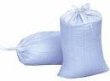
Polypropylene Sand Bag 14" X 26" with string ties
Sandbags
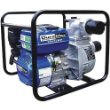
DuroMax XP650WP 3-Inch Intake 220-GPM Gas-Powered Portable Water Pump
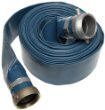
Apache Discharge Hose, 3 X 50 P/L
Apache PVC Suction Hose - 3in. X 15 Feet
Intex Excursion 5 Boat Set
Child's Stearns Watersports Vest
AND
Adult 4-Buckle Nylon Life Jacket
Hodgman® Bantam Weight 2-ply Nylon / Rubber Chest Waders w/ Felt Soles

BlueWater Sure-Grip River Rescue Rope

Water Rescue Rope 11Mmx600'

Durofix Emergency Standby Plug-in High-Efficiency LED Lights (2-Pack)
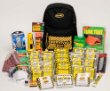
SKO Survival Kit Deluxe Emergency Disaster Preparedness 72 Hour Backpack
Kit Earthquake, Hurricane, Fire, Flood, Tornado, Evacuation or Storm.
Home, Work or Auto: 4 Person
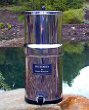
Big Berkey Water Filter with 2 7" ceramic filters
3LED Self PWR CrankLite
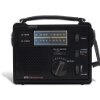
C. Crane CC Observer Wind Up Radio