





















Found a good "Emergencies In The Wilderness" link? Let Us Know!
Backwoods Surgery & Medicine: A
few suggestions on how to treat the commoner injuries and diseases that may
befall those who seek recreation in the remote wilds. The rules will
necessarily be brief and from the nature of things easily followed. The
woods loafer should learn them and be prepared whenever the occasion arises.
Works on first aid, written ostensibly for the guidance of the laymen, are
apt to presuppose a far greater supply of surgical necessities than the
hunter cares to burden himself with. It is one thing to apply surgical
measures, having at hand a well-filled emergency bag, and quite another to
render the same assistance with nothing to depend upon but your native
adaptability. My intention is to tell in the plainest and simplest manner
possible how to render intelligent assistance to an injured comrade, using
only the fewest appliances and those of the most primitive character.
Emergencies during wilderness trips - A description about how to handle them within the
framework of a group.
Steps to follow during a wilderness emergency
- A set of logically consistent steps for surviving any accident or
disaster.
How to Deal with Emergencies in the Wilderness Smart planning is
your best defense in a wilderness emergency by Betsey Foster, MPH, and C.
Ben Woodard, WEMT: It's a beautiful day in the mountains. You and your
friends are hiking out after a long day on the trail. Martha, the leader of
your group, is leaping from rock to rock with a 20-pound day pack. Suddenly,
you hear a gut-wrenching scream and see her crumpled among the boulders.
When you reach her, you see her leg wedged between the boulders. It looks
like she has a kneecap where her shin should be. Martha has suffered a
fractured fibula. You and the rest of the group are still above tree line,
clouds are moving in, and there is only one hour of daylight left. What do
you do next?
The Glasgow Coma Score. Evaluates the extent of an
individual's brain injuries. See also:
Freeware Download for Palm
OS v2.0+
Organ Injury Scaling. by trauma.org. Evaluates the extent of an
individual's organ injuries
Poison Oak FAQ. by M. Davis. An informative write up on this
incredibly evil plant, and how to deal with the itching once you have the
rash.
Poison Ivy: Protecting Yourself Naturally
by Randal Jones Usually, a person’s resistance to the plant will
diminish with each exposure. This is why some individuals, who for years
have never been affected by poison ivy, acquire a blistering rash. At any
rate, the best way to make sure that you do not get a case of poison ivy is
to immunize yourself. And the easiest way to immunize you is to ingest
poison ivy. MEG's NOTE: I've never heard of this-
but that doesn't make it true or untrue. PLEASE DISCUSS THIS WITH A
QUALIFIED DOCTOR BEFORE TRYING IT!!!!! [Link
recovered 7/10/11]
Sassafras: The Real One
by Randal Jones Sassafras' medicinal value was first introduced
to the Europeans in the mid-1950's. Around this time, a naive group of
French Huguenots attempted to colonize a very small section, of what is now,
northeastern Florida. These Frenchmen failed miserably. They failed because
they did not grow any food! They relied on the indigenous people for almost
everything. Needless to say, these Frenchmen got to know the habits of their
native saviors very well. And, there were two such habits that the French
colonists thought were worthy of note. One was the smoking of tobacco and
the other was the consumption of sassafras. [Link
recovered 7/10/11]
June Bug Medicinal Insect by Brent Ladd When toasted
in hot ashes, the internal body parts and juices of the bug congeal into a
nugget of pure golden nutrition. After peeling off shriveled legs, wings,
and wing case, the remaining orb of nourishment can be eaten one at a time
or by the handful. [Link
recovered 7/10/11]
Wound Care (from scrapes to sutures) By George E. Dvorchak Jr. M.A., M.D.
- Text file also available in
.pdf format. See also:
Wilderness First Aid- Dvorchak. pdf 7 Pages
Earth Medicine: Talc
by T. R. Zimmermann Talc is a soft, hydrous compound composed of
magnesium silicate, also known as soapstone, steatite, or grease rock. The
mineral is widespread, often occurring in limestone formations, eroded
clays, and in metamorphosed schist and gneiss strata where it forms either
thick veins or as a mass of stone. [Link
recovered 7/10/11]
Snow Blind on Mount Shasta!. by P. Richins Jr. An account of snow
blindness, and how to prevent it.
Hot Days and Hot Heads: Understanding Heat Illness
. by B.
Tilton. Prevention and treatment. In order to survive as a species, humans adapted in their own special ways, with virtually hairless skin filled with abundant sweat glands and powered by a cardiovascular system of marvelous endurance. Those same additions allow you spring and summer. You are not however, a foolproof design. Overheating can ruin your day, and your life. [Link
recovered 7/10/11]
Cooler Heads Prevail Heat Stroke, Dehydration & Prevention. by B.
Tilton. Discusses the differences and treatment of dehydration, heat
exhaustion and heat stoke.
Histoplasmosis: Protecting Workers at Risk. by the National
Institute for Occupational Safety and Health. An excellent write up on
histoplasmosis, and how to protect yourself against it.
An Idiot's Guide to Gas Detection For people who should know better than
to volunteer for Confined Space Rescue! by Technical Rescue
Magazine. These folks use a lot of fancy equipment, but then again, so do
some cavers!
Biological Hazards A review of some uncommon caving hazards.
HR3 Information - Testing Cave Air Quality During the
summer of 1996, members of HR3 located a new Tennessee pit that
contained "bad air". After posting a note on TAGNET and the Cavers Digest,
several cavers posted follow-up messages that gave information on detecting
bad air in caves. After receiving permission from the authors of the
articles, HR3 decided to make their articles (along with other
information about bad air) available here. [Link
recovered 7/10/11]
What To Do if an Injury Occurs While Caving by
Eastern Region NCRC. Basic steps to take if an accident occurs:
So your on a caving trip and you or a member of your team becomes injured. In the minutes after this happens you must do several things to insure the safety of the injured and the team. The following is a checklist that everyone that caves should keep in mind just in case an injury happens.
References
Universal Study Guide for Cave Rescue Training, by the Eastern Region of the National Cave Rescue Commission. Page 9-6.
Psychological Factors and Cascading Errors: A Fatal Accident Case-Study[My
Cave, W.Va.] by William K. Storage and John H. Ganter. NSS News, September
1990. What make a tragedy? According to this analysis, mistake after
mistake, after mistake... (BTW, we agree). [Link
recovered 7/10/11]
SAM Splint Training. by Seaberg Company. Everything you wanted to
know about SAM splints, and how to use them. {Now PDF Download only}
The Camping Headache. by E. Antons. Why we get headaches while
out in the woods, and how to prevent them.
Common Chemical Methods for Water Disinfection. by B. Tilton and
F. Hubbell. An overview of water treatment.
Hypothermia & Cold Water Survival. A nice write up on how to prevent hypothermia if you're in the water.
Preventing Giardia Infection. by N. Beer. How to prevent and
treat Giardia infections.
Lyme Disease. by the Centers for Disease Control and Prevention.
An Overview. [Link
recovered 7/10/11]
All about Hantavirus. by the Centers for Disease Control and
Prevention. A great overview. [Link
recovered 7/10/11]
Information on Plague. by the Centers for Disease Control and
Prevention. A nice write up. This is of interest to those who have to deal
with it in the lava tubes of the western U.S. [Link
recovered 7/10/11]
High Altitude Medicine Guide - Altitude Illness Clinical Guide For
Physicians. by T. Dietz. A thorough write up on the treatment of
altitude illness. [Link
recovered 7/10/11]
High Altitude Medicine Guide - All About Altitude Illness. by T.
Dietz. A write up on altitude illness, written for the layman. Contains nice
descriptions of symptoms. [Link
recovered 7/10/11] See the new, updated version:
An Altitude
Tutorial
Harness Hang Pathology. by J. Green. READ THIS ARTICLE!
You can die from harness hang pathology in a matter of minutes. Any vertical
caver should understand how this works, and what to do about it.
Harness Induced Pathology. by the National Outdoor Leadership
School. A scary look at what happens when you hang in your harness too long.
Acetylene: Produced By Carbide. by Brian Roebuck. A discussion of
the hazards of exposure to Acetylene gas. [Link
recovered 7/10/11]
Hypothermia - Physiology, Signs, Symptoms and Treatment Considerations.
by the Search and Rescue Society of British Columbia. A really nice article
on the methods of heat loss, and how to recognize and treat hypothermia. [Link
recovered 7/10/11]
Altitude Illness. by T. Schimelpfenig & L. Lindsey. A discussion
of the symptoms and treatment of altitude illness, from the NOLS Wilderness
First Aid book. [Link
recovered 7/10/11]
Are you exposing yourself to histoplasmosis?. by G. Smith. Talks
about how cavers can get histo.
Carbon Dioxide, Caves, and You. by G. Smith. A nice overview
about carbon dioxide in caves and its effects on the caver.
Radon Update. by the SNM Committee on Radiobiological Effects of
Ionizing Radiation. More than you wanted to know about radon, and how it
affects you.
Weil's Disease. by the Weil's Disease Information Center. A very
thorough write up on Weil's Disease (Leptospirosis).
A Wilderness EMS Medical Kit. by K. Conover, A very complete list
for a wilderness EMT.
OA Guide to Heat Related Illnesses & Fluid Balance. by R. Curtis.
How hydration can affect your performance.
Can We Really Use Super Glue Instead of Suture? by A. Frye. Yes,
really. [Link
recovered 7/10/11]
Snakebite Emergency First-Aid Information. by S. Grenard. An
overview of what to do... and NOT do for a venomous snake bite. Includes
instruction on how to use the Sawyer Extractor. See also:
Is Rattlesnake Venom
Evolving? Recent reports suggest that the venom of North America's
rattlesnakes is growing increasingly potent, making their bites more
difficult to treat.
Cold Injuries. by T. Schimelpfenig & L. Lindsey. A discussion of
cold weather injuries, from the NOLS Wilderness First Aid book. [Link
recovered 7/10/11]
First Aid Tutorial. by P. Tilanus. A review of first aid.
First on the scene . by B. Tilton. Initial patient assessment.
Sprained Ankle Management
. by B. Tilton. Treatment of sprained
ankles, of course.
Closed-Head Injury: Sorry, There's No Room Left
. by B. Tilton.
How to deal with head injuries.
Open Wounds
. by B. Tilton. More of Buck's wisdom on wound
management.
Road Rash - Road Optional. by B. Tilton. Buck's methods on
managing scrapes [Link
recovered 7/10/11]
Wound Cleaning 101. by B. Tilton. How to clean out a wound in the
wilderness. [Link
recovered 7/10/11]
Managing Minor Burns. by B. Tilton. A nice little article on
treating small burns. [Link
recovered 7/10/11]
Black Widow Spiders. by B. Tilton. First aid and bite prevention. [Link
recovered 7/10/11]
Pit Vipers. by B. Tilton. Preventing and treating bites. [Link
recovered 7/10/11]
Brown Recluse Spiders. by B. Tilton. Avoiding the bite. [Link
recovered 7/10/11]
Scorpion Stings. by B. Tilton. First aid tips for easing the
pain. [Link
recovered 7/10/11]
Backcountry 911: 1,001 Uses for
Duct Tape and Safety Pins: Learn how to use common supplies to treat
emergencies in extreme environments. How to improvise in the construction of
splints and transport aids. The minimum necessary supplies and how you can
use them will be reviewed. [Link
recovered 7/10/11]
Wilderness and Environmental Medicine presents original research and
clinical reports from scientists and practitioners around the globe. It
publishes articles on all aspects of wilderness medicine, including high
altitude and climbing, cold- and heat-related phenomena, natural
environmental disasters, immersion and near-drowning, diving and barotrauma,
hazardous plants/animals/insects/marine animals, animal attacks, search and
rescue, ethical and legal issues, aeromedical transport, survival
physiology, medicine in remote environments, travel medicine, and wilderness
trauma management. [Link
recovered 7/10/11]
Horse Accidents With Injuries: January through March 2002 [reproduced
from Spring 2002 Caution: Horses] What kinds of injuries result
from horse accidents? From what kinds of accidents do serious injuries
result? Here are brief summaries of stories from English-language
newspapers and similar sources throughout the world reporting on deaths and
injuries to humans from accidents involving horses. The full story is often
available on the web site of the newspaper that reported the accident.
Sometimes, those archived stories are available without charge and sometimes
for a small fee. The name of the newspaper and the date of each story
have been included in the summary to facilitate locating the full story. [Link
recovered 7/10/11]
Please Read The Website Disclaimer!
Copyright 1986-2012, The Survival & Self-Reliance Studies Institute (SSRsi), All
Rights Reserved
Site conceptualized, designed, created & maintained by MEG Raven
Snail Mail: SSRsi, PO Box 2572 Dillon, CO. 80435-2572
Page Updated
7/10/11
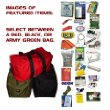
Total Wilderness Survival Kit

Emergency Thermal Blankets
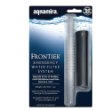
Aquamira Frontier Emergency Water Filter System
Emergency Fire Starter
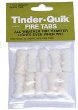
Tinder-Quik 10 pack
2nd Generation, Coco Bolo, Fire Piston
Gerber - Gorge Folding Shovel

Esbit Pocket Stove
Esbit Solid Fuel Tablets
 Light
My Fire Titanium Spork
Light
My Fire Titanium Spork

CELOX First Aid Temporary Traumatic Wound Treatment 2g, 10-Pack
Brunton Classic Compass